
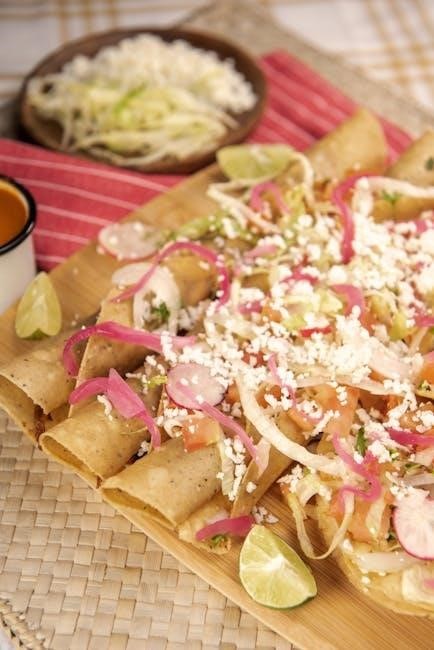
Frozen taquitos offer a convenient and flavorful snack or light meal, perfect for busy schedules. They’re readily available and incredibly versatile in the kitchen.
Choosing frozen taquitos provides a quick solution without sacrificing taste, offering various fillings and brands to suit diverse preferences and dietary needs.
What are Frozen Taquitos?
Frozen taquitos are essentially miniature, tightly rolled tortillas filled with savory ingredients, then flash-frozen for convenience. Traditionally, they contain seasoned beef, chicken, or cheese, but modern varieties boast diverse fillings like beans, potatoes, and even vegetarian options.
These delightful snacks originate from Mexico, where they’re known as taquitos or flautas, differing slightly in size and tortilla type. The frozen versions are pre-cooked, meaning the primary goal of cooking is to reheat and achieve a satisfyingly crispy exterior. They’re a staple in many households, offering a quick and easy meal or appetizer solution, especially when time is limited.
Why Choose Frozen Taquitos?
Frozen taquitos present a compelling choice for several reasons, primarily convenience and speed. They require minimal preparation – simply open the bag and cook! This makes them ideal for busy weeknights, quick lunches, or impromptu gatherings.
Beyond convenience, frozen taquitos offer affordability and variety. They’re generally less expensive than takeout or restaurant options, and the freezer aisle boasts a wide range of flavors and fillings. Plus, they’re a fantastic way to satisfy cravings for Mexican-inspired flavors without extensive cooking. They are a versatile base for customization with toppings and dips!
Cooking Methods for Frozen Taquitos
Numerous methods exist for preparing frozen taquitos, each offering a unique texture and speed. Options include oven baking, air frying, microwaving, and skillet frying.
Oven Baking: A Classic Approach
Oven baking delivers consistently crispy taquitos, mirroring a traditionally fried texture. Preparing for baking involves arranging the frozen taquitos in a single layer on a baking sheet, preferably lined with parchment paper to prevent sticking.
Baking temperature and time typically range from 400°F (200°C) for 10-15 minutes, though this can vary based on your oven and the taquito brand. Flipping them halfway through ensures even browning and crispness. Monitor closely to prevent burning, and enjoy a delightful, golden-brown result!
Preparing for Baking
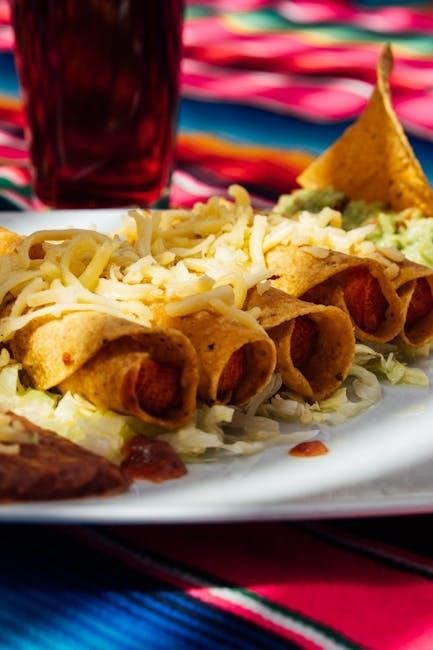
Initial preparation is key for perfectly baked taquitos. Begin by preheating your oven to the recommended temperature, usually around 400°F (200°C). Next, line a baking sheet with parchment paper; this prevents sticking and simplifies cleanup considerably.
Arrange the frozen taquitos in a single, even layer on the prepared baking sheet, ensuring they aren’t overcrowded. Overcrowding leads to steaming instead of baking, resulting in soggy taquitos. Placing them seam-side down helps prevent them from unraveling during the baking process, guaranteeing a neat presentation.
Baking Temperature and Time
Optimal baking typically requires a temperature of 400°F (200°C). Bake the frozen taquitos for approximately 10-15 minutes. However, baking time can vary depending on your oven and the specific brand of taquitos.
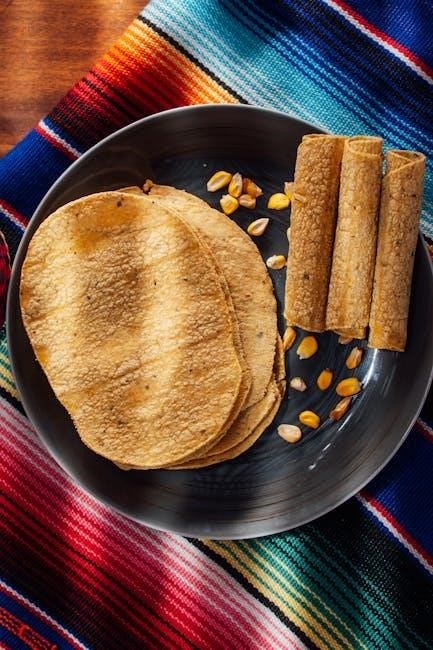
Monitor closely after 10 minutes, flipping the taquitos halfway through for even browning and crispness. They are ready when golden brown and heated through. Avoid overbaking, as this can lead to dryness. Let them cool slightly before serving, and enjoy with your favorite dipping sauces for a complete and satisfying snack!
Air Fryer: For Crispy Perfection
Utilizing an air fryer delivers exceptionally crispy taquitos in a fraction of the time compared to traditional oven baking. This method ensures even cooking and a delightful texture. It’s a fantastic option for a quick and satisfying snack or appetizer;
The air fryer circulates hot air, creating a perfectly golden-brown exterior while maintaining a tender interior. It’s a healthier alternative to deep frying, requiring little to no oil. Prepare for a remarkably crunchy and flavorful experience with minimal effort – a true kitchen win!
Air Fryer Temperature Settings
Optimal air fryer temperature for frozen taquitos generally falls between 380°F (193°C) and 400°F (204°C). Starting at 380°F allows for thorough heating without burning the exterior before the inside is warmed through. Some models may benefit from 400°F for maximum crispiness, but monitoring is crucial.
Adjusting the temperature depends on your specific air fryer model and desired level of crispness. Experimenting within this range will help you discover the sweet spot for your appliance. Preheating the air fryer is also recommended for consistent results and even cooking, ensuring a delightful crunch.
Air Fryer Cooking Duration
Typical air fryer cooking time for frozen taquitos ranges from 5 to 10 minutes, depending on the quantity and your air fryer’s power. A smaller batch will likely cook faster than a crowded one. It’s essential to arrange the taquitos in a single layer within the air fryer basket, avoiding overlap for even crisping.
Checking for doneness is crucial; taquitos are ready when golden brown and heated through. Flipping them halfway through the cooking process ensures uniform crispness on all sides. Monitor closely during the final minutes to prevent burning, and adjust cooking time as needed for your preferred texture.
Microwave: The Quickest Option
Microwaving frozen taquitos is the fastest cooking method, ideal for a speedy snack. However, it often results in a softer texture compared to baking or air frying. To mitigate this, place a paper towel underneath the taquitos to absorb excess moisture during cooking.
Even heating can be achieved by arranging taquitos in a circular pattern on a microwave-safe plate. While convenient, microwaving doesn’t deliver the same crispy exterior as other methods, but it’s perfect when time is of the essence. Expect a cooking time of approximately 2-4 minutes.
Microwave Power Levels
Optimal microwave power for cooking frozen taquitos is typically between 70% and 100%. Using full power can lead to uneven heating and potentially a rubbery texture. A medium-high setting (around 80%) often yields the best results, ensuring the filling is heated through while minimizing sogginess.
Adjusting power levels depends on your microwave’s wattage. Lower wattage microwaves may require longer cooking times, even at 100% power. Always check for doneness by carefully testing the internal temperature. Remember, microwaves vary, so experimentation may be needed to find the sweet spot for your appliance.
Microwave Cooking Time Guidelines
Generally, for a single serving (typically 2-3 taquitos), microwave cooking times range from 1 to 3 minutes. Begin with 2 minutes on 80% power, then check for doneness. If still frozen, continue in 30-second intervals until heated through.
Larger quantities will require increased cooking time. For a full package, start with 3-4 minutes and adjust accordingly. Always rotate the taquitos halfway through cooking to promote even heating. Ensure the internal temperature reaches 165°F (74°C) for safe consumption. Monitor closely to prevent burning.
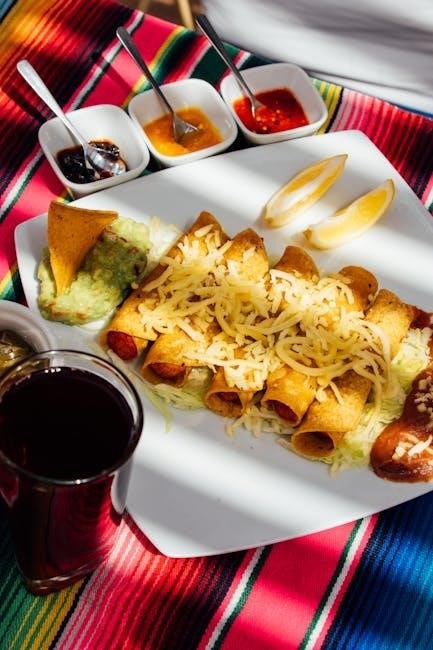
Skillet/Pan Frying: Achieving Golden Brown
For skillet frying, select a non-stick or cast iron skillet for optimal results. Add approximately 1-2 tablespoons of oil – vegetable, canola, or avocado oil work well – and heat over medium-high heat. Arrange frozen taquitos in a single layer, avoiding overcrowding.
Fry for 3-5 minutes per side, rotating to ensure even browning and crispiness. Monitor closely to prevent burning. Once golden brown and heated through, remove from skillet and place on a paper towel-lined plate to drain excess oil. Serve immediately for the best texture and flavor.
Choosing the Right Skillet
Selecting the appropriate skillet is crucial for achieving perfectly fried taquitos. A non-stick skillet prevents sticking and ensures easy flipping, while a cast iron skillet distributes heat evenly for consistent browning. Avoid using skillets that are too thin, as they may result in uneven cooking and potential burning.
Consider the skillet’s size based on the quantity of taquitos you’re frying; overcrowding leads to steaming instead of crisping. A 10-12 inch skillet is generally suitable for a single layer of 6-8 taquitos. Ensure the skillet has high enough sides to contain any oil splatters during frying.
Frying Temperature and Oil Usage
Maintaining the correct oil temperature is paramount for crispy, non-greasy taquitos. Heat approximately ½ inch of oil – vegetable, canola, or corn oil work well – to 350-375°F (175-190°C). Use a thermometer to ensure accuracy; too low, and they’ll absorb oil, too high, and they’ll burn.
Carefully add taquitos to the hot oil in a single layer, avoiding overcrowding. Fry for 2-3 minutes per side, until golden brown and heated through. Remove with a slotted spoon and place on a paper towel-lined plate to drain excess oil. Monitor the oil temperature throughout the process, adjusting heat as needed.
Enhancing Your Frozen Taquitos
Dipping sauces and toppings elevate frozen taquitos from simple to spectacular, adding layers of flavor and texture for a truly satisfying experience.
Dipping Sauces: Complementing the Flavor
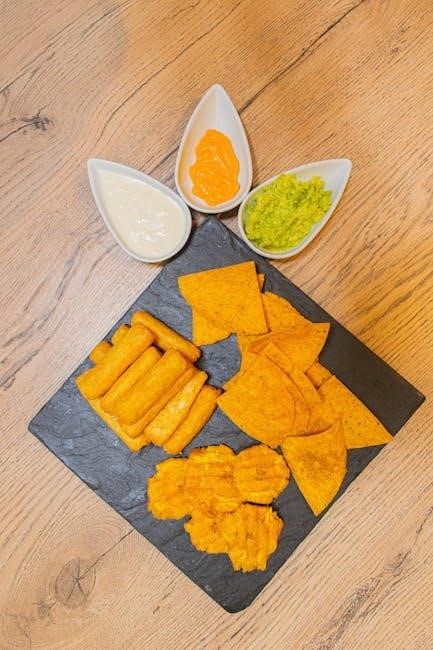
Dipping sauces are essential companions to frozen taquitos, enhancing their taste and providing a delightful contrast to the crispy exterior. Popular sauce choices include sour cream, guacamole, salsa, and queso, each offering a unique flavor profile. For a creamy tang, sour cream is a classic, while guacamole adds a fresh, avocado-based richness.
Homemade sauce recipes allow for customization and a gourmet touch. Consider a spicy cilantro-lime crema, blending sour cream, cilantro, lime juice, and a pinch of chili powder. Alternatively, a smoky chipotle mayo, combining mayonnaise with chipotle peppers in adobo sauce, delivers a smoky heat. These homemade options elevate the taquito experience beyond the ordinary.
Popular Sauce Choices
Popular sauce choices for frozen taquitos are incredibly diverse, catering to a wide range of palates. Classic options like sour cream provide a cool, creamy counterpoint to the crispy taquito shell and savory filling. Salsa, in its many varieties – mild, medium, or hot – adds a zesty kick and fresh tomato flavor. Guacamole, with its creamy avocado base, offers a rich and satisfying dip.
Queso, a warm and cheesy dip, is another favorite, providing a comforting and indulgent experience. Ranch dressing, though less traditional, is also widely enjoyed. Ultimately, the best sauce is a matter of personal preference, allowing for endless experimentation and flavor combinations to perfectly complement your taquitos.
Homemade Sauce Recipes
Elevate your taquito experience with vibrant, homemade dipping sauces! A simple cilantro-lime crema can be whipped up by blending sour cream, cilantro, lime juice, and a pinch of garlic powder. For a smoky chipotle sauce, combine roasted chipotle peppers in adobo sauce with mayonnaise, lime juice, and a touch of honey.

A quick and easy avocado crema requires blending avocado, Greek yogurt, lime juice, and a dash of cumin. Don’t be afraid to experiment with spices! A mango salsa, featuring diced mango, red onion, jalapeño, and cilantro, offers a sweet and spicy contrast. These homemade sauces add a personalized touch to your frozen taquitos.
Toppings: Adding Texture and Taste
Transform your frozen taquitos from good to extraordinary with a delightful array of toppings! Classic choices include shredded lettuce, diced tomatoes, and a dollop of sour cream or guacamole. For a bit of zest, sprinkle on some crumbled queso fresco or cotija cheese.
Get creative with pickled onions, sliced jalapeños for heat, or a drizzle of your favorite hot sauce. A sprinkle of chopped cilantro adds freshness, while a side of pico de gallo provides a burst of flavor. Consider a Southwestern-inspired topping combination with black beans, corn, and a creamy chipotle sauce.
Common Taquito Toppings
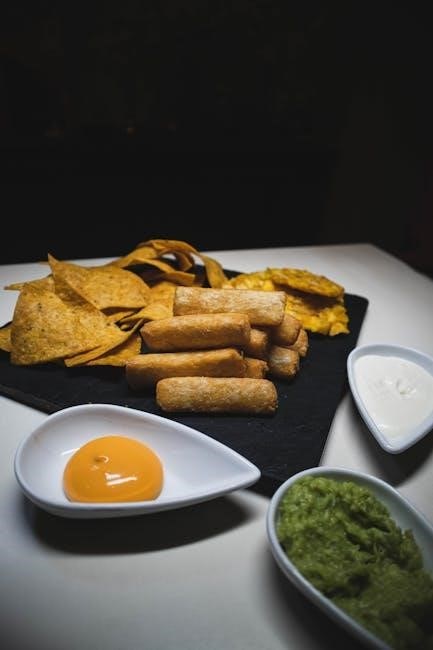
Frequently enjoyed taquito toppings center around fresh, vibrant ingredients that complement the crispy shell and savory filling. Shredded lettuce provides a cool, crisp texture, while diced tomatoes offer a juicy sweetness. Sour cream or Mexican crema adds a tangy richness, balancing the flavors beautifully.
Guacamole is a perennial favorite, lending a creamy, avocado-based goodness. Shredded cheese, particularly cheddar, Monterey Jack, or a Mexican blend, melts delightfully over the warm taquitos. A simple sprinkle of chopped cilantro brightens the dish, and a squeeze of lime juice adds a zesty finish.
Creative Topping Combinations
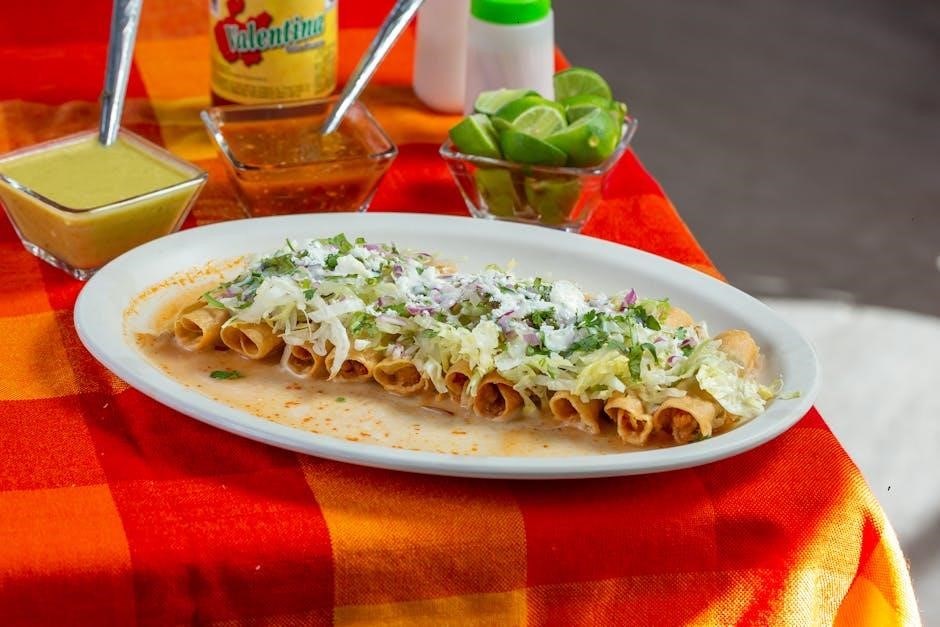
For a Southwestern flair, combine roasted corn, black beans, diced avocado, and a chipotle crema. A mango salsa with red onion and jalapeño offers a sweet and spicy contrast. Consider a “street corn” inspired topping with mayonnaise, cotija cheese, chili powder, and lime.
Elevate your taquitos with a Greek-inspired topping of tzatziki sauce, crumbled feta cheese, diced cucumbers, and Kalamata olives. A BBQ chicken taquito pairs well with coleslaw and a drizzle of BBQ sauce. Don’t be afraid to experiment – pickled onions, a spicy peanut sauce, or even a drizzle of hot honey can create unique flavor profiles!
Safety and Storage
Always ensure taquitos reach an internal temperature of 165°F (74°C) to eliminate harmful bacteria. Store leftovers promptly in airtight containers within two hours.
Properly stored, leftover taquitos maintain quality for up to three to four days in the refrigerator, or up to two months when frozen.
Food Safety Guidelines
Prioritizing food safety when preparing frozen taquitos is crucial for preventing foodborne illnesses. Always verify the internal temperature reaches a minimum of 165°F (74°C) using a food thermometer, ensuring thorough heating throughout each taquito. This eliminates potential bacterial growth and guarantees a safe eating experience.
Handle frozen taquitos with clean utensils and surfaces to avoid cross-contamination. Avoid thawing at room temperature; instead, utilize the refrigerator or microwave’s defrost setting. Promptly refrigerate any unused, cooked taquitos within two hours to maintain optimal safety and quality. Discard any taquitos left at room temperature for longer.
Proper Storage of Leftover Taquitos
Storing leftover taquitos correctly preserves their quality and prevents bacterial growth. Allow cooked taquitos to cool completely before transferring them to an airtight container. Refrigerate promptly, utilizing within 3-4 days for optimal freshness and flavor. Proper sealing minimizes exposure to air, preventing freezer burn and maintaining texture.
For longer storage, freeze leftover taquitos individually on a baking sheet before transferring to a freezer-safe bag or container. This prevents sticking and allows for easy portioning. Frozen taquitos can maintain quality for up to 2-3 months, ensuring a convenient snack option whenever desired.
Troubleshooting Common Issues
If taquitos lack crispness, increase baking/air frying time or temperature. For dryness, reduce cooking duration and consider a quick spritz of oil before reheating.
Taquitos Not Crispy Enough
Achieving optimal crispness with frozen taquitos often requires a bit of adjustment to your cooking method. If your taquitos are emerging from the oven, air fryer, or skillet lacking that desirable crunch, several factors could be at play. First, ensure you aren’t overcrowding the baking sheet or air fryer basket; this hinders proper air circulation.
Increasing the cooking time by a few minutes, or slightly elevating the temperature (within the package recommendations), can often resolve the issue. For oven baking, try broiling for the last minute or two, keeping a close watch to prevent burning. When air frying, ensure the temperature is set appropriately for frozen snacks. Finally, a light spray of oil before cooking can promote browning and crisping.
Taquitos Too Dry
Combatting dryness in frozen taquitos requires careful attention to cooking time and method. Overcooking is the primary culprit, stripping the taquitos of their internal moisture. Reducing the cooking time, even by a minute or two, can make a significant difference. If using an oven, consider covering the taquitos loosely with foil for the majority of the cooking process, removing it during the last few minutes to allow for browning.
For air frying, lowering the temperature slightly can help prevent excessive drying. Avoid prolonged cooking, and check for doneness frequently. A small dish of water placed in the oven or air fryer can also introduce some humidity, helping to retain moisture within the taquitos.
Variations and Recipes
Beef taquitos deliver a classic, savory experience, while chicken taquitos offer a lighter alternative. Vegetarian taquitos provide a delicious plant-based option for everyone!
Beef Taquitos
Beef taquitos are a beloved classic, offering a robust and satisfying flavor profile. These frozen delights are incredibly versatile and pair wonderfully with a Southwestern casserole, enhancing its overall taste. For a quick and crispy snack, utilizing an air fryer is highly recommended, achieving perfection in approximately five minutes.
Alternatively, baking directly from frozen provides a convenient option. Consider elevating your taquito experience by swapping store-bought versions for homemade, baked chicken taquitos bursting with bacon and ranch flavors – a truly amazing combination! Remember to always check for proper internal temperature to ensure food safety.
Chicken Taquitos
Chicken taquitos represent a lighter, yet equally flavorful, alternative to beef. Elevate your meal by crafting homemade, crispy baked chicken taquitos, infused with delightful flavors. A quick and easy preparation method involves utilizing the air fryer, achieving a perfectly crunchy exterior in just a few minutes.
For a more substantial meal, consider incorporating them into a Southwestern casserole, adding a delightful textural element. Don’t hesitate to experiment with toppings like bacon and ranch dressing for an amazing flavor boost. Remember to always prepare them according to package instructions for optimal results and safety.
Vegetarian Taquitos
Vegetarian taquitos offer a delicious and meat-free option, catering to diverse dietary preferences. While the provided text doesn’t detail specific vegetarian cooking instructions, the general methods apply. Utilize the oven for a classic approach, ensuring even cooking and a satisfying crispness.
The air fryer provides a quicker route to achieving that desirable crunchy texture, perfect for a speedy snack. Remember to always check package directions for precise temperature and time recommendations. Enhance the flavor with complementary dipping sauces and fresh toppings, creating a wholesome and enjoyable meal.
Nutritional Information
Nutritional content varies by brand and filling, but generally, taquitos offer a moderate calorie count with a macronutrient breakdown of carbs, fats, and protein.
Calorie Count
Calorie content in frozen taquitos significantly depends on the filling, size, and preparation method. Typically, a single taquito ranges from 80 to 150 calories. Beef taquitos generally contain slightly more calories than chicken or vegetarian options due to the higher fat content in beef.
Air frying or baking tends to result in a slightly lower calorie intake compared to skillet frying, as it requires less oil. Checking the nutritional label on the packaging is crucial for accurate calorie information, as brands vary considerably. Consider portion sizes to manage overall calorie consumption when enjoying this convenient snack.
Macronutrient Breakdown
Macronutrient profiles of frozen taquitos typically reveal a blend of carbohydrates, proteins, and fats. A standard serving (around 3-4 taquitos) usually provides approximately 15-25 grams of carbohydrates, primarily from the corn tortilla. Protein content varies with the filling, ranging from 8-15 grams, with beef and chicken offering higher amounts.
Fat content generally falls between 5-12 grams, influenced by the filling and cooking method. Opting for leaner fillings like chicken or vegetarian options can reduce fat intake. Balancing taquitos with a side of fresh vegetables or a salad can contribute to a more well-rounded macronutrient intake.