

Generac 5000 Watt Generator Manual: A Comprehensive Guide
This guide provides detailed instructions for the Generac 5000-watt generator‚ covering safety‚ operation‚ maintenance‚ and troubleshooting – sourced from online manuals.

The Generac 5000-watt generator is a popular choice for portable power‚ offering a balance of affordability and capability. This manual aims to provide comprehensive guidance for owners‚ ensuring safe and efficient operation. As indicated by resources like Maryanne Coy’s blog and ManualsLib‚ understanding your generator is crucial.
Whether for recreational use‚ home backup‚ or job site power‚ this guide covers everything from initial setup to routine maintenance. Referencing images from sites like usermanual.wiki‚ we’ll explore the generator’s features and functionalities‚ empowering you to maximize its performance and longevity;
Understanding the Generac PP5000T Model
The Generac PP5000T is a specific model within the 5000-watt range‚ known for its portability and user-friendly design. Based on resources like usermanual.wiki and various online manuals‚ it features a robust engine and inverter technology for stable power.

Key characteristics include a compact build‚ making it easier to transport and store. The control panel‚ as depicted in available images‚ offers straightforward operation. Understanding its specifications – voltage‚ amperage‚ and runtime – is vital for safe and effective use‚ as highlighted across multiple online resources.
Safety Precautions and Warnings
Prioritize safety when operating the Generac 5000-watt generator. Always operate it outdoors in a well-ventilated area to prevent carbon monoxide poisoning – a potentially fatal hazard. Never connect the generator directly to a household electrical system without a transfer switch.
Ensure the generator is grounded correctly to avoid electrical shock; Keep children and pets away from the operating unit. Refer to the manual for detailed warnings regarding fuel handling and hot surfaces‚ as emphasized in online resources.
Important Safety Symbols
Understanding safety symbols on your Generac 5000-watt generator is crucial. The exclamation point within a triangle signifies important warnings and cautions. A grounding symbol indicates the necessity for proper grounding to prevent shock. The flame symbol warns of hot surfaces and potential burn hazards.
Pay attention to symbols denoting carbon monoxide hazards and electrical shock risks. Consult the owner’s manual for a complete explanation of each symbol‚ ensuring safe operation and preventing accidents‚ as detailed in available online manuals.
Carbon Monoxide Hazards
Generac 5000-watt generators produce carbon monoxide (CO)‚ a deadly‚ odorless‚ and colorless gas. Never operate the generator indoors or in partially enclosed spaces – even with ventilation. Always position the generator outdoors‚ away from windows‚ doors‚ and vents.
Install carbon monoxide detectors in your home. Symptoms of CO poisoning include headache‚ dizziness‚ weakness‚ nausea‚ and confusion. If you experience these‚ get fresh air immediately and seek medical attention‚ as highlighted in safety guides.
Electrical Safety Guidelines
Always ensure the generator is properly grounded to prevent electric shock. Never operate the generator in wet conditions; protect it from rain and moisture. Use heavy-duty‚ outdoor-rated extension cords‚ and inspect them for damage before each use. Avoid overloading the generator‚ as this can damage appliances and the generator itself.
Do not connect the generator directly to a household circuit without a properly installed transfer switch. Follow all local electrical codes and regulations. Consult a qualified electrician for any electrical work related to the generator.
Generator Components and Features
The Generac 5000-watt generator boasts a robust OHV engine‚ providing reliable power. Key features include a user-friendly control panel‚ multiple outlets (including 120V and 240V)‚ and a low-oil shutdown sensor for engine protection. Its compact inverter design ensures clean‚ stable power suitable for sensitive electronics.

Additional components encompass a recoil start mechanism‚ a large-capacity fuel tank for extended runtime‚ and a durable frame for portability. The unit also features a spark arrestor and is designed for relatively quiet operation.
Control Panel Overview
The Generac 5000-watt generator’s control panel is intuitively designed for ease of use. It features a power switch‚ reset buttons for overload protection‚ and indicator lights displaying operational status. Outlets – typically including 120V receptacles and a 240V twist-lock outlet – are clearly labeled.
A low-oil indicator light alerts users to insufficient oil levels‚ preventing engine damage. The panel also houses the choke and run/stop switch for starting and stopping the generator. Understanding these controls is crucial for safe and efficient operation.
Recoil Start Mechanism
The Generac 5000-watt generator utilizes a recoil start mechanism for manual starting. This involves a pull cord connected to a ratchet system within the engine. To start‚ ensure the fuel valve is open and the choke is set appropriately (cold start vs. warm start).
Gently pull the cord with a smooth‚ controlled motion‚ avoiding jerking. The ratchet allows for repeated pulls without fully retracting the cord. Once the engine fires‚ release the cord slowly to prevent damage. Proper technique ensures reliable starting.
Fuel System Details
The Generac 5000-watt generator’s fuel system consists of a fuel tank‚ fuel lines‚ a fuel filter‚ and a carburetor. It requires unleaded gasoline with a minimum octane rating of 87. Always use a fuel stabilizer when storing the generator for extended periods to prevent fuel degradation.
The fuel filter prevents debris from reaching the carburetor. Regularly inspect fuel lines for cracks or leaks. Ensure the fuel cap is securely tightened to prevent spills during operation or transport. Never use ethanol fuels exceeding 10%.
Starting the Generator
Before starting‚ ensure the generator is on a level surface in a well-ventilated area. Confirm the oil level is correct and the fuel tank is filled with fresh gasoline. Turn the fuel valve to the ‘ON’ position. For a cold start‚ set the choke to the ‘START’ position. Gently pull the recoil starter cord until the engine starts.

Once running‚ gradually move the choke to the ‘RUN’ position. For a warm start‚ the choke may not be necessary. Allow the generator to run for a few minutes to warm up before connecting any appliances.
Pre-Start Checklist
Prior to initiating the generator‚ a thorough checklist is crucial for safe and efficient operation. Verify the oil level using the dipstick‚ adding oil if needed. Inspect the fuel level‚ ensuring sufficient gasoline is present. Check for any fuel leaks around the fuel tank and lines. Confirm the air filter is clean and unobstructed.
Ensure the generator is positioned on a stable‚ level surface‚ outdoors and away from flammable materials. Double-check all connections and that nothing is obstructing the recoil starter.
Starting Procedure (Cold Start)
For a cold start‚ locate the fuel valve and turn it to the ‘ON’ position. Slowly move the choke lever to the ‘CLOSED’ position. Gently pull the recoil starter handle until resistance is felt‚ then pull it briskly and smoothly. Repeat this process several times until the engine attempts to start.
Once the engine sputters‚ gradually move the choke lever to the ‘OPEN’ position. Continue pulling the recoil starter until the engine runs steadily. Allow the generator to warm up for a few minutes before connecting any loads.

Starting Procedure (Warm Start)
When warm starting‚ ensure the fuel valve is in the ‘ON’ position. Typically‚ no choking is required for a warm engine. Gently pull the recoil starter handle until you feel resistance‚ then pull it smoothly and firmly. The engine should start with less effort than a cold start.
If the engine doesn’t start immediately‚ try a second pull. Avoid excessive pulling‚ which could flood the engine. Allow the generator to run briefly to stabilize before connecting appliances.
Operating the Generator
Once started‚ allow the generator to run for a few minutes to stabilize before connecting any loads. Always connect appliances after the generator has reached operating speed. Monitor the generator’s output wattage‚ ensuring it doesn’t exceed the rated 5000 watts.
Avoid overloading‚ which can damage both the generator and connected appliances. Regularly check the fuel level during operation and refuel as needed‚ always shutting off the generator first.
Connecting Appliances
Before connecting any appliance‚ verify its wattage requirements. Ensure the total wattage of connected devices does not surpass the generator’s 5000-watt capacity. Use heavy-duty extension cords appropriate for outdoor use and the amperage draw of the appliances.
Plug appliances directly into the generator’s outlets‚ avoiding daisy-chaining extension cords. Sensitive electronics may require a pure sine wave inverter generator for optimal performance and protection.
Generator Load Management
Effective load management is crucial for optimal generator performance and longevity. Start appliances with higher wattage demands individually‚ avoiding simultaneous startup to prevent overloading. Monitor the generator’s wattage output using the control panel display.
Distribute the load evenly across available outlets. If the generator begins to struggle or the overload indicator illuminates‚ disconnect non-essential appliances immediately to prevent damage.
Run Time and Fuel Consumption
The Generac 5000-watt generator typically offers approximately 8 to 11 hours of runtime on a full tank of gasoline‚ depending on the load. Higher loads will significantly decrease runtime. Fuel consumption varies; expect around 0.6 to 0.8 gallons per hour at a 50% load.
Always use fresh‚ unleaded gasoline. Monitor fuel levels regularly and refuel when the generator is cool and turned off. Proper fuel management ensures consistent performance.
Maintenance Schedule
Regular maintenance is crucial for optimal performance. Every 25 hours of operation‚ check the air filter and clean or replace it as needed. After every 100 hours‚ change the engine oil. Inspect the spark plug every 300 hours‚ cleaning or replacing it if necessary.
Additionally‚ check fuel lines and connections for leaks. Store the generator in a clean‚ dry place. Following this schedule extends the generator’s lifespan.
Oil Change Procedure
Ensure the generator is cool before starting. Locate the oil drain plug and place a suitable container underneath. Remove the plug and allow all oil to drain completely. Replace the drain plug securely. Using the recommended oil type (check your manual!)‚ carefully pour in the correct amount – typically around 18 ounces.
Check the oil level with the dipstick‚ adding more if needed. Dispose of used oil responsibly at a recycling center.
Air Filter Cleaning/Replacement
Regularly inspect the air filter for dirt and debris. If the filter appears dirty‚ remove it carefully. For foam filters‚ wash gently with warm water and detergent‚ then allow to dry completely before re-oiling lightly. Paper filters should be tapped gently to remove loose dirt‚ or replaced entirely if heavily soiled.
Ensure the filter is properly seated before reassembling the air filter housing. A clean air filter ensures optimal engine performance and fuel efficiency.
Spark Plug Inspection/Replacement
Periodically inspect the spark plug for fouling‚ wear‚ or damage. Remove the spark plug and check the electrode for carbon buildup or corrosion. Clean the plug with a wire brush if necessary‚ or replace it with a new spark plug of the correct type.
Ensure the gap is set correctly according to the generator’s specifications. A properly functioning spark plug is crucial for reliable starting and efficient engine operation.
Troubleshooting Common Issues
If the generator fails to start‚ check the fuel level‚ oil level‚ and spark plug connection. Low power output may indicate an overloaded generator or a faulty voltage regulator. Overload protection tripping suggests exceeding the generator’s wattage capacity – reduce the connected load.
Consult the manual for specific error codes or symptoms. Regular maintenance and proper operation can prevent many common issues‚ ensuring reliable power when needed.
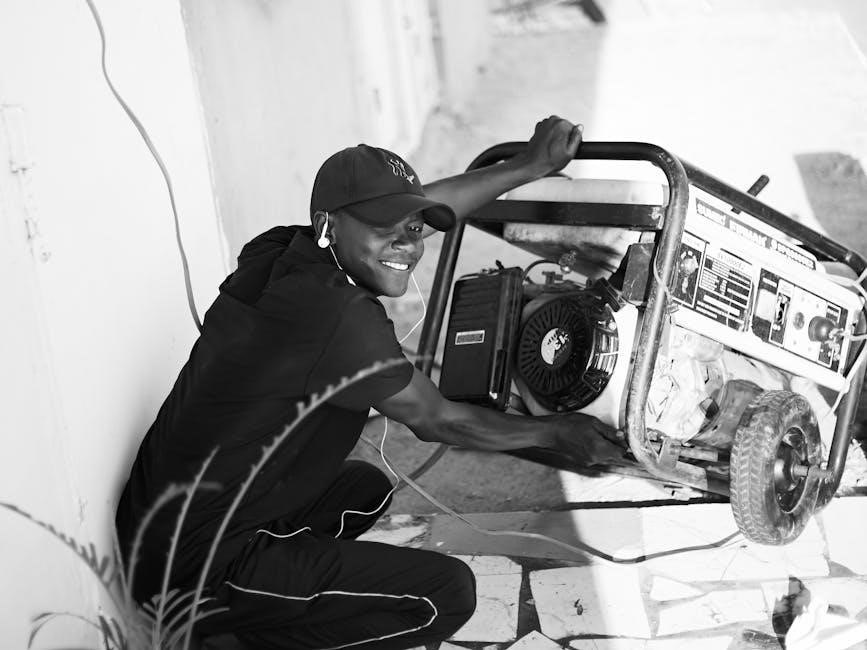
Generator Won’t Start
If your Generac 5000-watt generator refuses to start‚ first verify sufficient fuel and oil levels. Check the spark plug for fouling or damage‚ and ensure a secure connection. Confirm the recoil starter mechanism is functioning correctly – a broken pull cord prevents ignition.
Inspect the air filter for obstructions‚ hindering airflow. A faulty safety switch or low battery (if equipped with electric start) can also be culprits. Refer to the manual for detailed diagnostics.
Low Power Output
Experiencing reduced power from your Generac 5000-watt generator? First‚ ensure you aren’t exceeding the generator’s wattage capacity – overloading causes diminished performance. Check the air filter for blockage‚ restricting airflow to the engine. A dirty or faulty spark plug can also contribute to insufficient power.
Verify fuel quality and ensure the carburetor isn’t clogged. Low oil levels can trigger safety mechanisms‚ limiting output. Consult the manual for specific troubleshooting steps.
Overload Protection Tripping
Frequent tripping of the overload protection indicates excessive power demand. Immediately reduce the electrical load connected to the generator. Ensure the total wattage of connected appliances doesn’t surpass the 5000-watt rating‚ considering starting wattage surges. Inspect appliance cords for damage‚ as shorts can trigger the breaker.
A faulty generator breaker might also be the cause; however‚ confirm overload before assuming a malfunction. Refer to the manual for reset procedures and safety guidelines.
Storage and Transportation

Proper storage and transport are crucial for maintaining your Generac 5000-watt generator. Before long-term storage‚ drain the fuel tank and carburetor to prevent fuel degradation. Secure the generator during transport to avoid damage from shifting or impacts. Use straps or tie-downs in a well-ventilated vehicle.

Always disconnect the spark plug wire for safety. Cover the generator to protect it from dust and the elements. Consult the manual for specific recommendations regarding storage environments.
Long-Term Storage Preparation
Preparing your Generac 5000-watt generator for extended storage requires several key steps. First‚ completely drain the fuel tank and carburetor to prevent fuel system clogging. Add fuel stabilizer to any remaining fuel in the tank. Change the oil before storage to protect internal components.
Remove the spark plug and pour a tablespoon of oil into the cylinder‚ then pull the starter cord to distribute it. Clean the exterior and cover the generator to shield it from dust and moisture.
Safe Transportation Guidelines
Transporting your Generac 5000-watt generator safely demands careful attention. Always ensure the generator is completely cool before moving it. Drain the fuel tank or use a fuel shut-off valve to prevent spills during transport. Secure the generator in a truck bed or trailer using straps or tie-downs;
Protect it from the elements with a cover. Avoid dropping or subjecting it to harsh impacts. Consider the weight and balance when loading and unloading.
Winterizing the Generator
Preparing your Generac 5000-watt generator for winter is crucial. Drain all fuel from the tank and carburetor to prevent ice crystal formation. Add fuel stabilizer to any remaining fuel if complete draining isn’t possible. Disconnect the battery and store it in a cool‚ dry place‚ periodically charging it.
Change the oil to remove contaminants. Inspect and clean or replace the air filter. Cover the generator to protect it from snow and moisture during storage.

Warranty Information
Generac offers a limited warranty on the 5000-watt generator‚ covering defects in materials and workmanship. Residential use typically receives a longer warranty period than commercial use. The warranty duration varies based on the specific model and purchase date; refer to your owner’s manual for precise details.
Warranty coverage excludes damage from misuse‚ improper maintenance‚ or acts of nature. Keep your purchase receipt as proof of date. Register your generator online to activate the warranty.
Generac Warranty Coverage
Generac’s warranty generally covers defects in materials and workmanship for a specified period. This includes engine components and the generator head. Wear and tear items‚ like spark plugs and air filters‚ are typically excluded. Coverage may also extend to parts and labor costs for repairs performed by authorized service centers.
The warranty is voided by unauthorized modifications or repairs. Proper maintenance‚ as outlined in the manual‚ is crucial for maintaining coverage. Review the full warranty statement for complete details and limitations.
Claim Procedures
To initiate a warranty claim‚ contact Generac support with your generator’s model and serial number‚ and proof of purchase. You may need to provide a detailed description of the issue and potentially photos or videos. Generac will then assess the claim and may authorize a repair at a certified service center.
Keep all documentation related to the claim‚ including repair orders and invoices. Pre-authorization is often required before undertaking any repairs to ensure coverage. Follow Generac’s instructions carefully throughout the process.
Contacting Generac Support
For assistance with your Generac 5000-watt generator‚ reach out to Generac’s customer support team. You can find contact information – including phone numbers and email addresses – on the official Generac website. Online resources‚ such as FAQs and troubleshooting guides‚ are also available.
Be prepared to provide your generator’s model and serial number when contacting support. Detailed descriptions of your issue will help them assist you efficiently. Consider checking the website for local authorized service centers for in-person support.