

In this guide, we explore the blackwoman pdf as a vital resource for cultural insight, critical analysis, and community empowerment. By examining its content, structure, and impact, readers gain a nuanced understanding of identity, representation, and collective growth It sparks dialogue and learning now

Purpose of the Guide
Our aim is to provide a comprehensive, accessible, and engaging framework for readers to navigate the complexities of the blackwoman pdf. This guide distills key concepts, contextualizes historical references, and highlights contemporary relevance, enabling users to critically assess the material and apply its insights across academic, professional, and personal spheres. By fostering a deeper appreciation of the document’s themes—such as resilience, intersectionality, and cultural affirmation—we empower individuals to cultivate informed dialogue, support community initiatives, and contribute to a more inclusive narrative landscape. The guide also offers practical tools for educators, activists, and scholars, including discussion prompts, analytical frameworks, and resource lists that facilitate collaborative exploration. Ultimately, it serves as a catalyst for empowerment, encouraging readers to engage with the blackwoman pdf as a living testament to collective experience and ongoing transformation. Readers are invited to reflect on the intersections of race, gender, and class that shape the narratives presented, fostering critical dialogue that extends beyond the page into everyday practice and policy advocacy. The document’s structure encourages readers to engage in reflective practice, using prompts that challenge assumptions and invite the exploration of lived experiences, thereby cultivating empathy, solidarity, and a shared commitment to social justice. The guide becomes a dialogue, inviting readers to transform daily understanding into action!!

Historical Context
Tracing roots from early oral traditions, through colonial archives, to activism, the blackwoman pdf encapsulates evolving narratives. It reflects shifts in identity politics, legal milestones, artistic expression, offering a layered lens on resilience and collective memory.
Early Influences
Early influences on the blackwoman pdf arise from a blend of oral traditions, diasporic literature, and visual archives that predate digital formats. Foundational texts—from West African griot stories to Harlem Renaissance poems—provide a linguistic and aesthetic template the pdf adopts. These narratives, preserved in manuscripts, missionary notes, and clandestine pamphlets, highlight black women’s resilience amid colonial oppression, slavery, and gendered marginalization. The pdf’s layout echoes oral storytelling rhythms, while its themes mirror symbolic layers in African textiles and African‑American quilting. Black feminist theory, especially bell hooks and Audre Lorde’s work, offers a theoretical scaffold that the pdf incorporates through its focus on intersectionality and agency. Visual media—Civil Rights photographs, early film reels, and contemporary digital art—inform the pdf’s visual rhetoric, ensuring images actively participate in narrative construction. Community‑led archives, like the National Museum of African American History and Culture’s oral history projects, provide a methodological model: the pdf prioritizes participatory storytelling, letting contributors frame their own experiences. Moreover, the influence of early feminist collectives, such as the National Black Feminist Organization, is evident in the pdf’s collaborative editing process, encouraging co‑authorship and shared ownership. The incorporation of oral testimony from Caribbean elders further enriches authenticity, bridging generational gaps. Additionally, the pdf draws inspiration from the visual lexicon of Afro‑centric art movements, including the Black Arts Movement of the 1960s, whose bold use of color and form is reflected in design choices. This synthesis of historical, literary, and visual strands ensures the blackwoman pdf preserves heritage while serving as an old platform for dialogue and scholarship.
Modern Interpretations
Contemporary readings of the blackwoman pdf reframe its legacy through digital humanities, intersectional critique, and transnational dialogue. Scholars now interrogate the text’s metadata, searchability, and algorithmic bias, revealing how search engines shape visibility for marginalized voices. By mapping citation networks, researchers expose the pdf’s influence across academia, activism, and popular culture, noting how its themes resonate with Black Lives Matter, feminist tech collectives, and diaspora storytelling. Visual designers reinterpret the pdf’s layout, integrating responsive typography, color palettes inspired by Afro‑centric motifs, and interactive infographics that invite user participation. Social media campaigns remix excerpts into short videos, memes, and live‑stream discussions, turning static content into dynamic civic engagement. The pdf’s open‑source license encourages remix culture, allowing creators to adapt narratives for local contexts—urban murals, community radio scripts, or educational modules. Digital archives now host the pdf alongside audio‑visual recordings, ensuring multimodal preservation. Critical race theorists examine how the document negotiates identity politics, negotiating between universalist claims and particularist histories. The text becomes a living artifact, continually re‑written by new voices, and its evolving interpretations underscore the fluidity of cultural memory. This modern lens challenges fixed canon, positions the blackwoman pdf as conversation past and present.
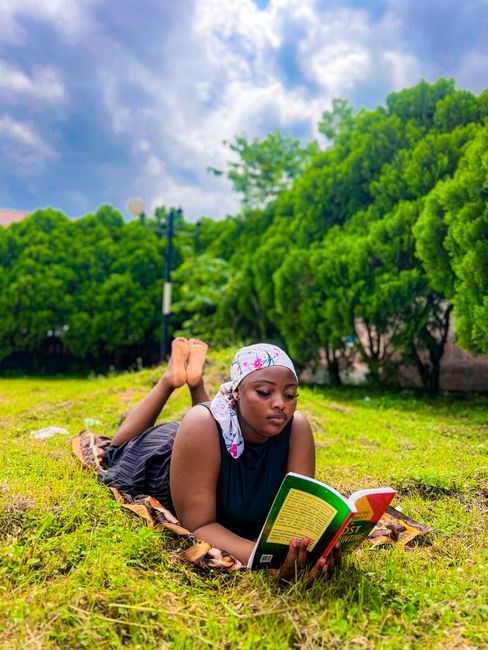
Key Themes in the PDF
Central motifs include resilience, self-definition, community solidarity, and cultural reclamation. The text foregrounds intersectionality, challenging monolithic narratives while celebrating alland experiences. It invites critical reflection on identity, power, and agency.

Empowerment Narratives
In the blackwoman pdf, empowerment narratives unfold as living testimonies of resilience, agency, and collective aspiration. Each chapter weaves personal stories with historical context, illustrating how individual courage intersects with community solidarity. The text foregrounds the transformative power of self‑definition, encouraging readers to reclaim agency in spaces that have historically marginalized them. By showcasing diverse voices—from activists and scholars to artists and everyday storytellers—the pdf demonstrates that empowerment is not a singular experience but a mosaic of lived realities. The narrative structure invites readers to engage critically, questioning dominant discourses and reimagining futures that honor intersectional identities. Through reflective prompts, case studies, and actionable insights, the guide equips users to translate inspiration into tangible change, fostering leadership, resilience, and a shared sense of purpose. Ultimately, the empowerment narratives serve as a catalyst for personal growth, community building, and the ongoing struggle for equity and representation in all spheres of life. Readers are invited to reflect on how these narratives intersect with their own lived experiences, fostering a sense of agency that transcends individual stories and contributes to a collective movement toward equality and justice. The guide also highlights the importance of mentorship, peer support, and initiatives that empower individuals to transform personal insights into actionable advocacy!
Intersectionality
Intersectionality is the analytical lens that the blackwoman pdf employs to map the overlapping systems of oppression and privilege that shape Black women’s lived realities. By weaving race, gender, class, sexuality, disability, and other axes into a single narrative fabric, the guide demonstrates how these identities do not exist in isolation but continually interact to produce unique experiences of marginalization and resilience. The text offers concrete examples of how institutional policies, cultural narratives, and everyday interactions reinforce or challenge these intersecting structures. It encourages readers to critically assess how their own positions within these networks influence both personal agency and collective action. Through case studies, reflective questions, and actionable strategies, the guide equips users to identify points of leverage where intersectional insights can inform advocacy, policy reform, and community empowerment. The emphasis on intersectionality also underscores the necessity of coalition-building across diverse groups, fostering solidarity that transcends single‑issue frameworks. Ultimately, the pdf invites readers to adopt an intersectional praxis that not only acknowledges complexity but actively works to dismantle systemic barriers, creating spaces where all facets of identity are affirmed and celebrated By integrating these insights into daily practice, individuals can transform personal narratives into collective movements that challenge inequities and inspire!
Representation in Media

In the blackwoman pdf, media representation is dissected through a critical lens that highlights progress and persistent gaps. The guide catalogs historical depictions, from early print to contemporary streaming, revealing how Black women are often framed by stereotypes or omitted entirely. By juxtaposing archival footage, popular music videos, and news coverage, the text demonstrates how visual narratives shape public perception and self‑esteem. The analysis incorporates quantitative data on screen time, role diversity, and audience reception, allowing readers to trace trends over decades. Moreover, the guide offers a toolkit for evaluating new content: question the source, assess the narrative arc, and consider the socio‑political context. It encourages creators to embed authentic voices, ensuring that stories reflect lived realities rather than tokenized tropes. The section also explores community-driven media initiatives—podcasts, independent films, and social media campaigns that amplify Black women’s perspectives. By fostering critical media literacy, the pdf empowers individuals to demand richer representation and to participate actively in cultural production, thereby transforming the media landscape into a more inclusive and equitable space for all audiences. Readers are invited to reflect on how media narratives influence identity formation, challenge stereotypes, and collaborate to create inclusive storytelling that honors the diversity of Black women’s experiences ensuring that future media landscapes celebrate authenticity to empowerment!

Practical Applications
This section outlines actionable steps for educators, community leaders, and creators to apply insights from the blackwoman pdf. It offers lesson plans, discussion prompts, media critique exercises, and collaborative projects that foster awareness, inclusion, and empowerment.

Educational Use
In academic settings, the blackwoman pdf serves as a primary source for courses on gender studies, media literacy, and cultural history. Instructors can integrate excerpts into lecture modules, assign critical reflection essays, and facilitate small‑group debates that examine narrative techniques and historical context. The document’s structure—comprising interviews, statistical data, and visual analysis—offers diverse entry points for interdisciplinary study. By pairing the pdf with complementary multimedia resources, educators can create immersive learning experiences that encourage students to interrogate representation, assess bias, and develop analytical skills. Assessment strategies might include comparative analyses with contemporary texts, role‑playing exercises that simulate media production, and reflective journals that track personal growth in understanding identity politics. Additionally, the pdf can support project‑based learning, where students design community outreach initiatives or digital archives that honor the voices highlighted within the text. This approach not only deepens content mastery but also cultivates civic engagement and collaborative problem‑solving. Overall, the blackwoman pdf functions as a versatile tool that bridges theory and practice, fostering a classroom environment that values critical inquiry and cultural empathy. By integrating this guide into curricula, educators empower learners to critically examine media narratives, challenge stereotypes, and champion authentic representation across all disciplines.!
Community Building

Community building around the blackwoman pdf is a dynamic process that transforms individual learning into collective action. By bringing together students, educators, activists, and community leaders, the document becomes a catalyst for dialogue that transcends classroom walls. Facilitators can structure sessions that weave narrative analysis with hands‑on projects, such as creating visual maps of representation or developing media critique toolkits. These activities encourage participants to interrogate the power dynamics embedded in mainstream media, recognize systemic biases, and envision pathways toward equity. In addition, peer‑mentoring circles allow members to share resources, exchange feedback, and collaborate on initiatives that amplify marginalized voices. Digital platforms—like moderated discussion boards, shared documents, and live webinars—extend the conversation beyond geographic limits, fostering a global network of allies. Community outreach programs can partner with local libraries, schools, and faith‑based organizations to host reading groups, film screenings, and panel discussions that embed the pdf’s insights into everyday life. Such collaborations not only reinforce learning but also create pathways for leadership, advocacy, and cultural preservation that resonate beyond the classroom. By integrating these narratives into curriculum, educators challenge students to question power, spot bias, and imagine justice. The pdf sparks dialogue, turning theory into action and encouraging advocacy for equity. Ultimately, the collective effort nurtures resilience, solidarity, and social change, ensuring that the lessons of the blackwoman pdf ripple through generations.

Further Resources
For those eager to deepen their engagement with the blackwoman pdf, a curated selection of books, articles, podcasts, and digital archives offers expansive perspectives.
- Books: “The Color of Power” by Dr. Angela M. Smith, “Black Feminist Thought” by Patricia Hill Collins, “The Narrative of the Black Woman” by Maya Angelou.
- Academic Journals: Journal of Black Studies, Feminist Media Studies, Critical Race Theory Review.
- Podcasts: “Black Women in Focus,” “Intersectional Voices,” “The Empowerment Hour.”
- Online Archives: National Black Library, Digital Black History Project, Black Women’s Digital Archive.
- Webinars & Workshops: “Representation in Media” by the Center for Media Equity, “Community Empowerment” by the Black Women’s Initiative;
- Organizations: National Association for the Advancement of Black Women (NAABW), Black Women’s Health Imperative, Black Women’s Media Collective.
These resources provide scholarly depth, practical tools, and community connections that extend the conversation beyond the pdf, fostering ongoing learning and collective action. Additionally, community forums such as the Black Women’s Digital Forum and the Intersectional Media Collective provide spaces for discussion, mentorship, and collaborative projects. Engaging with these platforms allows readers to share insights, critique media representations, and develop action plans that resonate locally and globally.