

Overview of the 12‑Week Push‑Pull‑Legs PDF Program

The 12‑week push‑pull‑legs PDF program offers a structured, progressive routine, alternating hypertrophy and strength phases. Designed for intermediate lifters, it schedules six 45‑75 minute sessions weekly, using barbells, dumbbells, cables, and machines to target all major muscle groups. Plus, it adapts. now Ideal for beginners and pros.!!
Purpose, Goals, and Target Audience
The 12‑week push‑pull‑legs PDF program is crafted to deliver a balanced, periodized training experience that blends hypertrophy, strength, and power development. Its core purpose is to guide lifters through a systematic progression that maximizes muscle growth while preventing plateaus and overtraining. By structuring the schedule into distinct push, pull, and leg days, the routine ensures that each major muscle group receives adequate volume, intensity, and recovery time.
Goals are multi‑layered: first, to increase lean muscle mass through controlled rep ranges and progressive overload; second, to enhance maximal strength by incorporating low‑rep, high‑load blocks; third, to improve muscular endurance and joint stability via varied tempo and accessory work. The program also emphasizes periodization, with a clear transition from hypertrophy weeks 1‑4 to strength and peaking weeks 5‑12, allowing athletes to peak at the right moment for competitions or performance benchmarks.
Target audience includes intermediate lifters who have mastered basic compound lifts and are ready to tackle a more structured regimen. The PDF format makes it accessible for home gyms and commercial facilities alike, offering exercise variations that accommodate equipment limitations. Women and men alike can benefit, as the routine is gender‑neutral but can be tweaked for specific strength or aesthetic goals. Coaches can also use the template to create personalized plans, while self‑directed trainees appreciate the clear progression and downloadable format.
Overall, the program serves as a comprehensive roadmap for anyone seeking to elevate their training, whether the aim is to bulk up, refine technique, or prepare for a competitive event. Its blend of science‑based periodization, flexible equipment options, and clear documentation makes it a valuable resource for both novices and seasoned athletes. Participants will also find detailed warm‑up and recovery protocols that complement the training load, ensuring sustainable progress and reduced injury risk.
Program Duration, Frequency, and Time per Session
The 12‑week push‑pull‑legs PDF program is structured around a 12‑week cycle that incorporates six training days each week. Each workout session is designed to last between 45 and 75 minutes, striking a balance between volume and intensity to support both hypertrophy and strength development. The push‑pull‑leg rotation ensures that every major muscle group receives two training stimuli per week, while a dedicated rest day follows the leg session to promote optimal recovery. Frequency is set at six days per week, split into three distinct workouts repeated twice: Push, Pull, and Legs. This structure allows for high‑frequency compound lifts—bench press, rows, squats—while providing ample time for accessory work and mobility drills. The 45‑minute sessions focus on core lifts; the 75‑minute sessions add isolation, tempo variations, and conditioning. Time allocation is intentionally flexible: beginners can start with the 45‑minute version, then progress to 75 minutes as conditioning improves. The PDF includes a time‑management table that maps each exercise to a specific minute range, keeping sessions on schedule and preventing over‑extension. Precise scheduling supports consistency, prevents burnout, and respects the program’s periodized phases. Progressive overload, balanced recovery, and measurable results for all lifters. and progress!

Program Phases and Workload Progression
Phase 1 (Weeks 1‑4) builds muscle with moderate loads, higher reps. Phase 2 (Weeks 5‑12) focuses on strength and power, using heavier weights and lower reps. Progressive overload is guided by weekly load increases and rest interval adjustments. Progress overload
Phase 1 – Hypertrophy (Weeks 1‑4)
In the first four weeks of the 12‑week push‑pull‑legs PDF program, the focus is on muscle growth through volume‑centric training. Each workout uses moderate loads—typically 60–70 % of one‑rep max to allow 8–12 reps per set, promoting metabolic stress and muscle hypertrophy. The split follows a six‑day schedule: push, pull, legs, repeat, with 45–75 minute sessions that include a dynamic warm‑up, core stabilization, and a cooldown. Exercises are selected from the PDF’s curated list, featuring barbell presses, dumbbell rows, leg presses, and cable extensions, ensuring balanced development across all major muscle groups. The program emphasizes progressive overload by adding 2–5 % to the working weight each week, while maintaining consistent tempo (2‑0‑1) to maximize time under tension. Recovery is built into the design: each muscle group receives at least 48 hours of rest before the next stimulus, and the PDF recommends post‑workout mobility drills and light cardio to accelerate recovery. This phase also introduces periodized sets: 4–5 sets per exercise, with the last set performed to near failure to stimulate growth. The PDF’s printable layout allows lifters to track sets, reps, and weight, ensuring accountability and facilitating adjustments. By the end of Week 4, participants should notice increased muscle fullness, improved joint stability, and a stronger foundation for the upcoming strength phase. The PDF also includes a weekly log sheet, letting users record effort ratings and tweak volume, ensuring data‑driven progress to track growth
Phase 2 – Strength & Power + Peaking (Weeks 5‑12)
Weeks 5 through 12 transition the program into a strength‑centric framework, integrating lower rep ranges, heavier loads, and power‑based movements. The PDF outlines a 3‑day push‑pull‑legs cycle repeated twice weekly, with each session lasting 45‑75 minutes. Load progression follows a linear scheme: 3–4 sets of 3–5 reps at 80–90 % of one‑rep max, with 2–3 minutes of rest between sets to maximize recovery and neural drive. Power work is embedded via dynamic lifts—such as snatch‑style pulls, box jumps, and speed bench presses—performed at 50–60 % of 1RM with a 1‑0‑1 tempo to enhance rate of force development. The peaking segment (Weeks 9‑12) reduces volume to 2–3 sets of 2–4 reps, allowing maximal force output while preventing over‑reaching. The PDF recommends a periodized taper: decreasing overall training load by 10–15 % each week leading into a test week for 1RM assessments. Core stability and posterior chain integrity remain priorities; exercises like weighted pull‑ups, Romanian deadlifts, and weighted hip thrusts are included. Recovery protocols shift toward active rest, foam rolling, and mobility drills to sustain joint health. The printable PDF provides a weekly log for load, reps, and perceived exertion, enabling lifters to fine‑tune intensity. By the end of Week 12, participants should exhibit measurable gains in maximal strength, power output, and a refined neuromuscular efficiency, ready to transition into maintenance or next‑level programming. The program also schedules deload week every fourth week to prevent overtraining more ! This structure ensures now balnced stimulus across lifts.
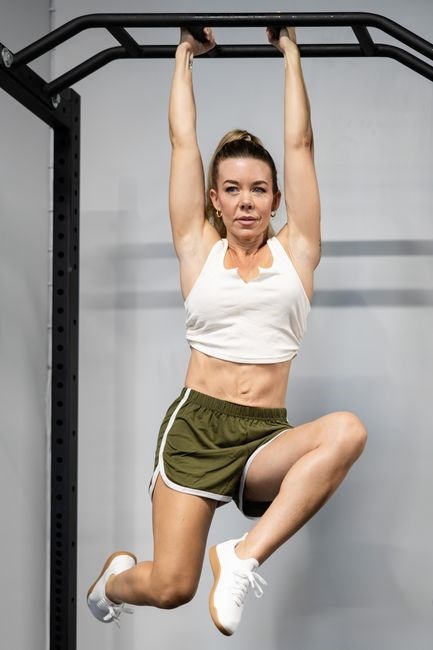
Exercise Selection and Emphasis for Each Split
Push days prioritize compound presses, overhead movements, and triceps extensions. Pull days focus on rows, pull‑ups, and rear‑delts, while leg days emphasize squats, deadlifts, lunges, and calf work. Each split balances volume, intensity, and recovery to target muscle groups efficiently. Progressive overload.!!!

Push Day – Chest, Shoulders, Triceps Focus
Each push session in the 12‑week PDF targets the anterior chest, all deltoid heads, and triceps through compound lifts, accessory work, and isolation. The day starts with a heavy barbell bench press (or dumbbell press) at 70–80 % of 1RM for 4 sets of 6–8 reps, followed by a strict overhead press or push‑press at 60–70 % for 3 sets of 8–10 reps. Mid‑volume chest isolation—incline dumbbell flyes or cable crossovers—provides 3 sets of 12–15 reps, while a triceps finisher (skull crushers or cable push‑downs) is done for 3 sets of 10–12 reps with a 2‑second eccentric and explosive concentric tempo (2–0–1). Rest intervals are 90–120 seconds for compounds and 60–90 seconds for isolation, aligning with hypertrophy and strength goals. Tempo shifts from 2–0–1 in the hypertrophy phase to 1–0–0 in the strength phase, promoting controlled eccentric loading and explosive concentric output. Warm‑up includes 2–3 light sets of 15 reps with an empty bar or light dumbbells, a shoulder‑girdle mobility drill (band pull‑apart, wall slides), and a dynamic chest opener. This comprehensive approach guarantees progressive overload, joint health, and optimal recovery across the full 12‑week cycle. Weekly load increments of 2–5 % are applied to main lifts, while accessory exercises rotate every two weeks to prevent adaptation. The program recommends a 5‑minute dynamic warm‑up focusing on thoracic mobility, scapular retraction, and wrist flexion. Athletes track volume and RPE daily to ensure consistent progression and early detection of overtraining. Remember to maintain proper form and breathe throughout each set to maximize effectiveness and safety.!! Stay consistent
Pull & Leg Days – Back, Biceps, Glutes, Calves Focus
Pull days use heavy rows, lat pulls, and deadlift variations. A barbell bent‑over row or weighted pull‑up is 70–80 % of 1RM for 4 sets of 6–8 reps, followed by a cable row at 60–70 % for 3 sets of 10–12 reps. Biceps finisher: alternating curls, 3 sets of 10–12 reps. Rest intervals: 90–120 seconds for compounds, 60–90 seconds for isolation. Tempo shifts to 1‑0‑0 for compounds, 2‑0‑1 for isolation.
Leg days start with a heavy squat or front squat at 75–85 % of 1RM for 4 sets of 5–6 reps, then Romanian deadlifts at 65–75 % for 3 sets of 8–10 reps to hit glutes and hamstrings. Glute accessory: hip thrusts, 3 sets of 12–15 reps at 2‑0‑1 tempo. Calf work: standing calf raises (4 sets of 15–20 reps) and seated calf raises (3 sets of 12–15 reps) at 2‑0‑1 tempo. Warm‑up: 5 minutes of dynamic leg swings, hip circles, ankle mobility drills, then light sets of main lifts. Recovery: foam rolling, stretching, protein. Weekly load increments 2–5 % on main lifts; accessories rotate every two weeks. This structure ensures overload, joint health, and recovery across the 12‑week cycle. Each main lift follows a progressive overload scheme, adding 2–5 % each week, while accessory work alternates to prevent plateaus. Athletes track volume and RPE to fine‑tune intensity. Recovery includes adequate sleep, nutrition, and active mobility sessions. Periodization ensures peak performance at the end of the cycle. ——————————!!

Sets, Reps, and Load Progression Guidelines
The program uses a linear progression: start at 70% 1RM for 4 sets of 8 reps, adding 2.5% each week. Hypertrophy phases use 3–4 sets, 8–12 reps, 60–90s rest. Strength phases drop to 4–5 sets, 4–6 reps, 2–3min rest. Load increments are capped at 5% to avoid injury. Logs track weekly load, ensuring progression max time
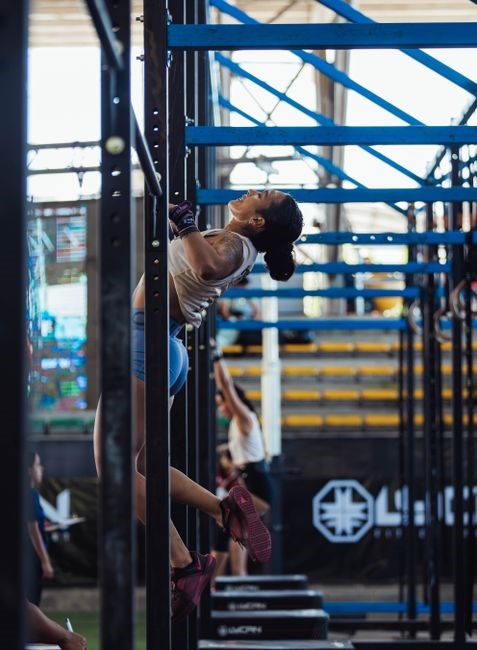
Hypertrophy Rep Ranges and Tempo

During the first four weeks of the 12‑week PDF plan, the hypertrophy block calls for 3–4 sets of 8–12 reps per exercise. The prescribed tempo is 3‑second eccentric, 0‑second pause, 1‑second concentric, 0‑second pause (3‑0‑1‑0), totaling 4 seconds per repetition. This cadence maximizes time under tension while allowing 60‑90‑second rests between sets. Progression is linear: add 2.5–5 % of the working load each week, or increase the rep count by one if the current set is completed with proper form. If a lifter reaches 12 reps with good technique, the next week’s load should rise by 2.5 % and the rep range shift to 8–10. If 8 reps are hard to hit, reduce the load by 2.5 % and move the range to 10–12. This adaptive scheme keeps muscle stimulus steady without overtraining. The slow eccentric phase promotes muscle damage, while the rapid concentric phase recruits higher‑threshold motor units. For compound lifts such as bench press or squat, the same tempo is used to maintain consistency. For isolation movements, faster concentric phase (1‑second) can be employed to increase stress keeping manageable. Athletes should also monitor heart rate zones during the 60‑90‑second rests to ensure they remain within the 60–70 % HRmax range, promoting aerobic recovery without compromising strength gains. The log lets lifters note RPE and discomfort for timely adjustments.
This structured approach ensures progressive overload while maintaining joint health, allowing lifters to scale intensity safely, track adaptations accurately, and transition smoothly into the strength phase of the program.

During the first four weeks of the PDF program, the hypertrophy block is 3–4 sets of 8–12 reps per exercise, using a 3‑second eccentric, 0‑second pause, 1‑second concentric tempo (3‑0‑1‑0) for 4 seconds per repetition, with 60‑90‑second rests. Progression is linear: add 2.5–5 % load each week, or increase reps by one if the current set is completed with proper form. If 8 reps are hard, reduce load by 2.5 % and shift to 10–12. For 10–12 reps, increase load by 2.5 % next week. The slow eccentric phase promotes muscle damage, while the rapid concentric recruits higher‑threshold motor units. For compound lifts, same tempo; isolation moves, faster concentric can increase stress. Athletes should log fatigue scores after each session, enabling periodization adjustments and training volume does not exceed recovery capacity, which is long‑term strength gains. Adapt! Additionally, lifters should log subjective fatigue scores after each session, enabling periodization adjustments and training volume does not exceed recovery capacity, which is long‑term strength gains for optimal adaptation. Moreover, lifters should add face‑pulls, Romanian deadlifts, and reverse flyes, each performed with 3 sets of 10–12 reps, to address imbalances, enhance joint stability, and support the main lifts during later weeks today. Athletes should review progress adjusting loads to optimal now.
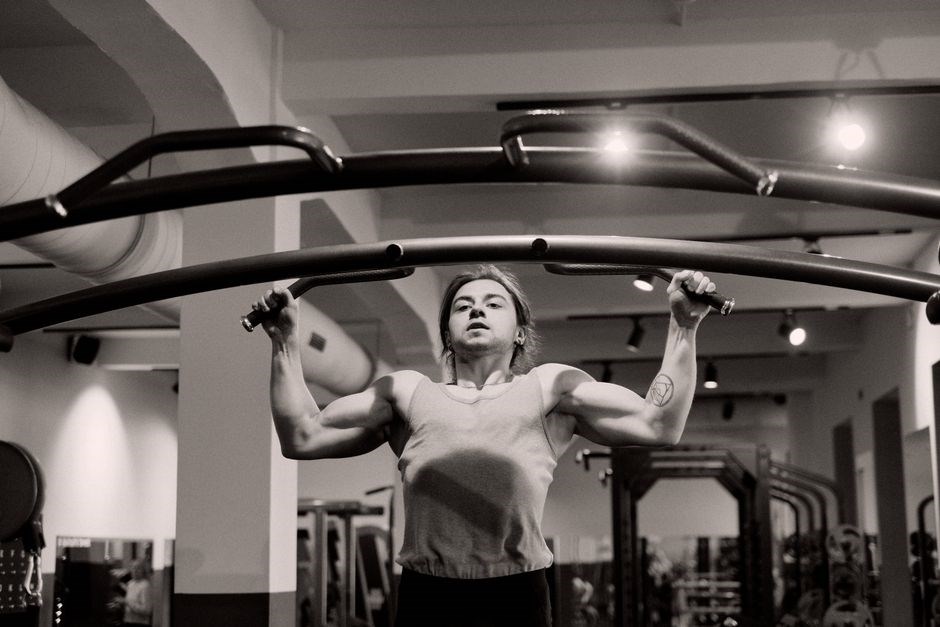
Equipment, Warm‑Up, and Recovery Protocols
Essential gear includes barbells, dumbbells, cables, and a bench. Warm‑up: 10 min light cardio, dynamic stretches, and 2 warm‑up sets at 50 % load. Post‑workout: foam roll, static stretches, and 15‑minute cool‑down. Hydrate, sleep 7‑9 hrs, and schedule active recovery days. Include a 10‑minute cooldown protein! now
Required Equipment and Exercise Variations
Barbell, dumbbells, cable machine, bench, pull‑up bar, and body‑weight are the core tools. For push days, the program offers bench press, incline dumbbell press, overhead press, and dips with optional band assistance. Pull days feature barbell rows, single‑arm dumbbell rows, lat pulldowns, and face pulls, plus body‑weight chin‑ups. Leg days use back squats, front squats, Romanian deadlifts, Bulgarian split squats, and calf raises, with machine or free‑weight alternatives. Variations include pause reps, tempo changes, and supersets to keep stimulus fresh and accommodate equipment availability. Each exercise can be swapped for a similar movement, such as replacing barbell bench press with dumbbell chest press or substituting cable rows for TRX rows, ensuring the program remains flexible for home or gym settings.
Additionally, if a cable machine is unavailable, resistance bands can replicate rows and pull‑downs, while kettlebell swings or goblet squats provide dynamic strength. For those lacking a bench, floor presses or push‑ups with elevated feet substitute overhead presses. A suspension trainer adds instability for pull‑ups, and a weighted vest can increase load on body‑weight movements. This flexibility ensures the program adapts to any setting, from a gym to a minimal home studio.
Additionally, using a stability ball for core work or weighted backpack during lunges adds variety, while a resistance band loop around the ankles during calf raises increases ankle strength. These tweaks keep high.
Barbell, dumbbells, cable machine, bench, pull‑up bar, and body‑weight are the core tools. For push days, the program offers bench press, incline dumbbell press, overhead press, and dips with optional band assistance. Pull days feature barbell rows, single‑arm dumbbell rows, lat pulldowns, and face pulls, plus body‑weight chin‑ups. Leg days use back squats, front squats, Romanian deadlifts, Bulgarian split squats, and calf raises, with machine or free‑weight alternatives. Variations include pause reps, tempo changes, and supersets to keep stimulus fresh and accommodate equipment availability. If a cable machine is unavailable, resistance bands can replicate rows and pull‑downs, while kettlebell swings or goblet squats provide dynamic strength. For those lacking a bench, floor presses or push‑ups with elevated feet substitute overhead presses. A suspension trainer adds instability for pull‑ups, and a weighted vest can increase load on body‑weight movements. This flexibility ensures the program adapts to any setting, from a gym to a minimal home studio. During the warm‑up, incorporate minutes of rowing to elevate heart rate, followed by 3 sets of 10 banded pull‑aparts to activate the posterior chain. Post‑workout recovery incorporates a 5‑minute foam‑roll routine targeting quadriceps, hamstrings, calves, and upper back, followed by a 10‑minute cool‑down jog, static stretching for all major muscle groups, foam‑rolling for 5 minutes per muscle group, and a 10‑minute guided breathing routine. Hydration is encouraged throughout, and a protein‑carb snack within 30 minutes aids muscle repair. For advanced lifters, adding 5‑minute exercise before daily soquickly promotes recovery. Finally, a 5‑minute guided meditation before bed improves sleep quality, while a 10‑minute yoga flow focusing on hip flexors and thoracic mobility can be added for flexibility and mental focus. The program also recommends a weekly active recovery day featuring light cardio, mobility work, or a gentle swim. This holistic approach ensures optimal performance, reduces injury risk, and promotes long‑term adherence to the 12‑week plan.