
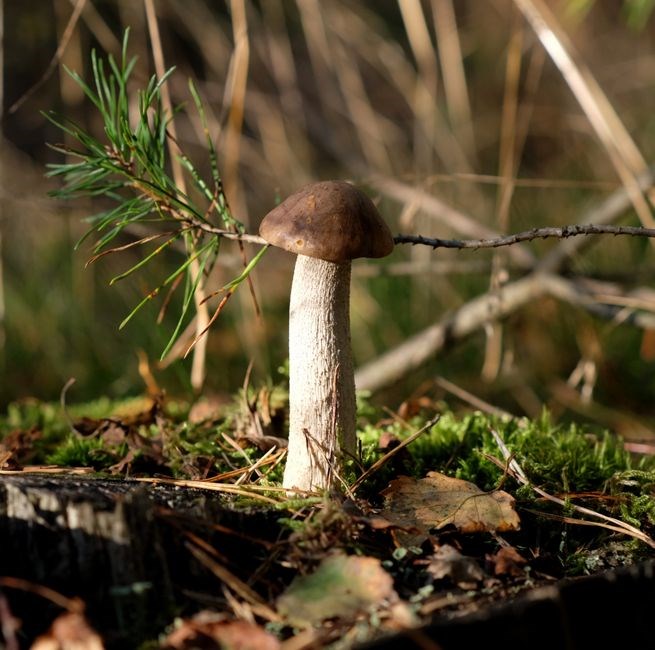
Overview of Quebec Mushroom Identification PDFs
Rainy weather promotes wild mushroom proliferation this summer. Rare, intriguing species have appeared alongside common ones like chanterelles. The Quebec Mycological Centre provides downloadable PDF guides, detailing identification, habitats, and safety for enthusiasts. for both novices and pros!
Purpose and Scope of the Guides
The Quebec Mycological Centre’s PDF compendium serves as a definitive reference for amateur foragers and seasoned mycologists, outlining criteria for safe and accurate identification of the province’s diverse fungal flora. Its primary aim is to standardize field practices by providing a concise, evidence‑based framework that incorporates macroscopic description, spore‑print analysis, ecological context, and seasonal phenology. By integrating high‑resolution imagery and detailed morphological keys, the guides empower users to distinguish edible species such as chanterelles and boletes from toxic look‑alikes. The scope extends beyond identification: it includes conservation guidelines, habitat preservation tips, and a protocol for reporting new or unusual findings to the central database. PDFs are designed for offline use in remote forest settings, ensuring accessibility even without internet connectivity. They are updated annually to reflect taxonomic revisions and emerging research, maintaining relevance for Quebec’s mycological community; Users are encouraged to cross‑reference regional field guides, participate in citizen science initiatives, and consult the official mycological database for the latest taxonomic updates. The PDF format ensures portability, allowing quick reference on handheld devices, printed handouts, or embedded in mobile applications. Additionally, the guides provide a glossary of technical terms, a list of frequently asked questions, and a troubleshooting section for common misidentification pitfalls. By fostering a standardized approach, the Centre aims to reduce accidental poisonings, promote sustainable harvesting, and support the ecological integrity of Quebec’s forest ecosystems. The PDFs also serve as educational tools for schools and research institutions, fostering a new generation of mycologists committed to conservation and enhancing ecological literacy !—————
Key Publishing Organizations
The principal bodies that produce the Quebec mushroom identification PDFs are the Quebec Mycological Centre (Le Centre Mycologique du Québec), the provincial Ministry of Forests, Wildlife and Parks (Ministère des Forêts, de la Faune et des Parcs), and the Fédération des Mycologues du Québec (FMQ). The Centre, a research hub attached to the Université du Québec à Montréal, compiles field data, photographs, and taxonomic revisions, then formats them into downloadable PDFs that are freely distributed on its website. The Ministry contributes regulatory expertise, ensuring that safety warnings, legal harvesting limits, and conservation notices meet provincial legislation. FMQ, a volunteer network of experienced foragers and academic mycologists, supplies peer‑reviewed species accounts, regional distribution maps, and seasonal fruiting trends. Additional contributions come from the Canadian Museum of Nature, which provides high‑resolution microscopic images and spore‑print references, and the Quebec Biodiversity Council, which validates the ecological data against the province’s biodiversity inventory. All partners coordinate through a joint editorial committee that meets quarterly to incorporate new taxonomic changes, update habitat descriptions, and integrate community‑submitted observations. Their collaborative model guarantees that the PDFs remain scientifically rigorous, culturally relevant, and accessible to both French‑and English‑speaking audiences across the province. By pooling governmental resources, academic research, and citizen‑science expertise, these organizations create a comprehensive, up‑to‑date reference that supports safe foraging, promotes ecological stewardship, and encourages ongoing mycological education throughout Quebec. Additional data.
Legal and Safety Considerations
In Quebec, the harvesting of wild mushrooms is regulated by the Ministry of Forests, Wildlife and Parks. The provincial legislation (Loi sur les ressources forestières) restricts collection to non‑protected species and limits the quantity that can be taken per person per day. Foragers must carry a valid identification card issued by Quebec Mycological Centre and adhere to the “no‑take” zones outlined in the provincial forest management plans. The PDFs explicitly list the 12 species classified as “dangerously toxic” and provide a required disclaimer that consumption of unidentified fungi is prohibited. Users are advised to perform a thorough macroscopic examination, spore‑print test, and, if uncertain, consult a certified mycologist before ingestion. The documents also highlight the importance of wearing gloves, avoiding contact with skin, and washing all parts of the mushroom after collection. In the event of accidental ingestion, the PDF includes emergency contact numbers for the provincial poison control center and outlines first‑aid steps such as inducing vomiting only if instructed by professionals. Legal liability is addressed: the PDFs state that the Quebec Mycological Centre is not responsible for any adverse outcomes resulting from misuse of the information. Finally, the PDFs encourage reporting of new poisonous sightings to the provincial authorities to update the database and prevent future incidents. All safety protocols are aligned with the Canadian Food Inspection Agency guidelines and the Quebec Health Ministry’s public health advisories!!
Core Content Covered in the PDFs
These PDFs detail edible species like chanterelles, highlight rare finds, explain spore‑print methods, map seasonal Quebec habitats, and warn of look‑alikes, ensuring safe, informed foraging. It also lists limits, peaks, and provides a key for field identification
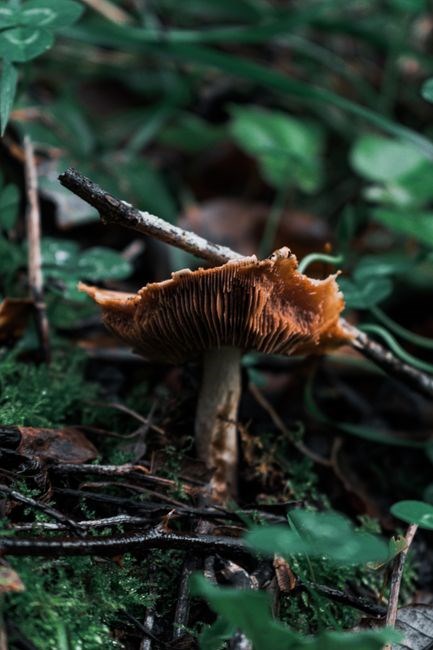
Common Edible Species (e.g., Chanterelles, Boletes)
In the latest Quebec mushroom identification PDFs, the most frequently encountered edible fungi are highlighted with vivid photographs, concise descriptions, and practical foraging tips. The guide begins with the golden‑yellow chanterelles (Cantharellus cibarius and related species), noting their funnel‑shaped caps, forked ridges on the underside, and a fruity aroma reminiscent of apricots. It explains how to differentiate true chanterelles from the poisonous false chanterelle (Hygrophoropsis aurantiaca) by examining the forked versus true gills and the texture of the flesh.
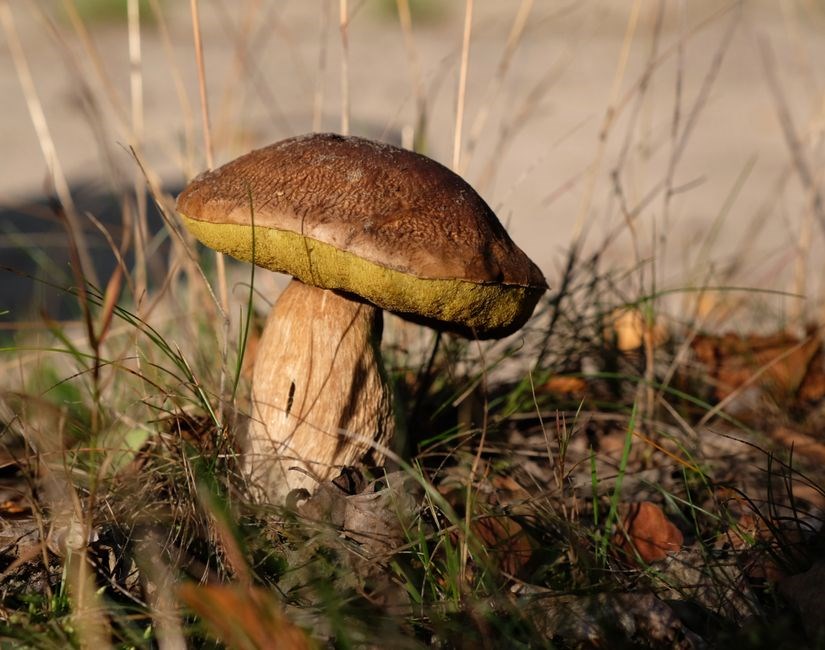
Next, the PDFs devote several pages to Boletus group, prized king bolete (Boletus edulis). Readers learn to identify the thick, sponge‑like pores beneath a brown to olive cap, firm white flesh, blue‑no‑reaction, nutty flavor that yum. The guide also lists edible boletes such as the birch bolete (Leccinum scabrum) and the slippery jack (Suillus luteus), describing their preferred tree partners, cap coloration, and the importance of removing the slimy skin of the stipe.
Common edibles covered include the meadow mushroom (Agaricus campestris), the morel family (Morchella spp.) with their honeycomb caps, and delicate oyster mushrooms (Pleurotus ostreatus) that grow on hardwood. For each species, the PDFs provide macroscopic keys, spore‑print colors, optimal harvesting periods, and notes on culinary preparation, ensuring both novice and experienced foragers enjoy Quebec’s rich fungal bounty.!
Poisonous and Look‑Alike Species
Rainy summer conditions in Quebec have triggered a surge of wild fungi, including several hazardous taxa that the Quebec Mycological Centre warns foragers to avoid. The PDF safety section emphasizes visual cues that separate deadly species from edible look‑alikes, providing concise, field‑ready checklists.
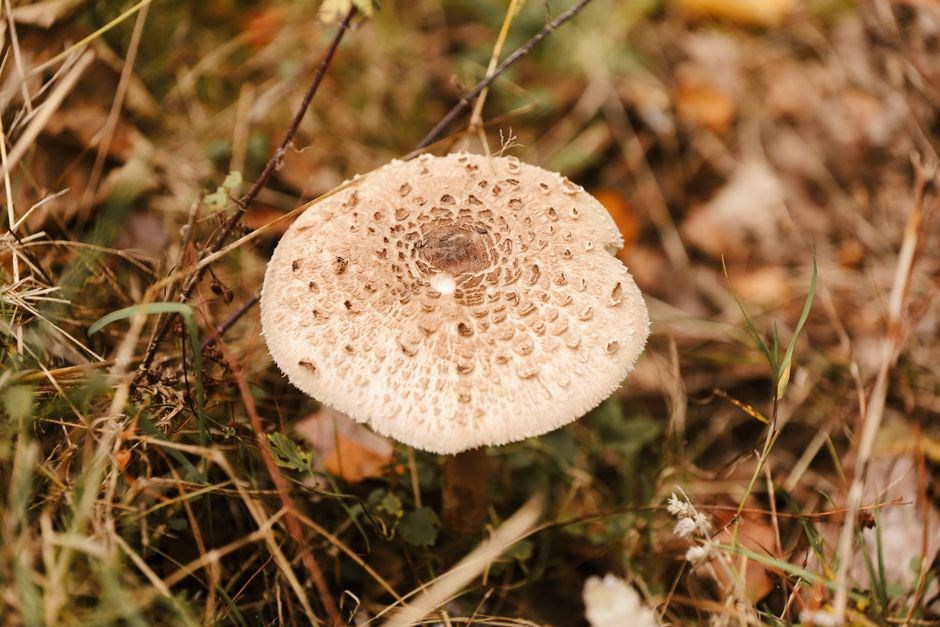
The most frequently cited poison is the death‑cap (Amanita phalloides). Its smooth, olive‑green to yellowish cap, white gills, and a volva at the stem base are highlighted. The guide stresses the importance of excavating the base to reveal the cup‑shaped volva and notes the distinct white spore print. A similar‑looking edible, the parasol mushroom (Macrolepiota procera), can be distinguished by its scaly brown cap, movable ring, and a brown spore print.
Another dangerous group includes the false chanterelle (Hygrophoropsis aurantiaca). Although it shares the bright orange hue of true chanterelles, the PDF points out its true, non‑forked gills and a more brittle flesh. The guide advises checking for the characteristic forked ridges of Cantharellus species before collection.
Gyromitra esculenta, often called “brain fungus,” appears in late spring. The PDFs warn that its convoluted, brain‑like lobes conceal potent gyromitrin toxins. It can be mistaken for edible morels (Morchella spp.), which have a honeycomb cap and a hollow stem. The guide recommends slicing the stem; a solid, chambered interior signals a morel, while a solid, irregular interior indicates Gyromitra.!
Identification Protocols (macroscopic, spore print, habitat)
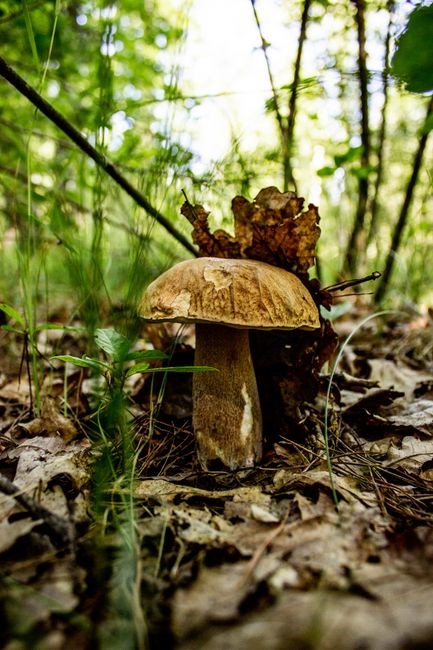
In the Quebec Mycological Centre’s downloadable PDF, the identification protocol is broken into three interlocking steps that field mycologists and hobbyists can apply in the wild. First, the macroscopic assessment focuses on cap shape, colour, texture, gill attachment, stem characteristics, and any bruising reactions. The guide lists the most common visual markers for chanterelles, boletes, and the hazardous look‑alikes, stressing the importance of noting the presence or absence of a partial veil, a volva, or a ring. Second, the spore‑print technique is described in detail: the PDF recommends using a white or black paper tray, placing a mature cap upside‑down for 30–60 minutes, and then recording the colour of the deposited spores. The spore‑print colour is a reliable diagnostic trait that can separate Amanita phalloides (white) from its look‑alike Macrolepiota procera (brown). Third, habitat context is integrated into the protocol. The PDF provides a table of typical substrates—deciduous versus coniferous, soil pH, moisture level, and associated tree species—along with seasonal distribution maps that highlight the peak fruiting periods for each genus. By combining macroscopic clues, spore‑print data, and ecological clues, the guide empowers users to make a confident, safe identification before harvesting or discarding a specimen. The PDF also encourages cross‑checking with the mobile app database, ensuring that the field notes match the latest taxonomic updates. This three‑step protocol is rigorous a cornerstone of Quebecmycologicalmycology.
Seasonal Distribution Maps for Quebec
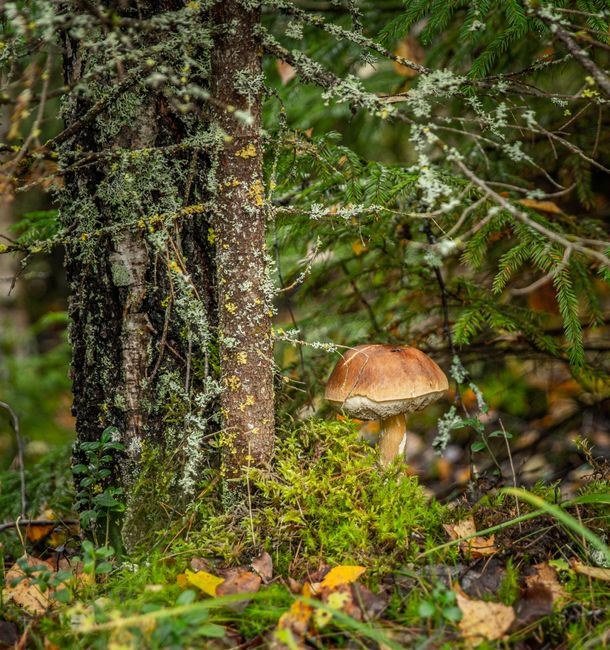
The Quebec Mycological Centre’s PDF contains a series of high‑resolution seasonal distribution maps that chart the fruiting windows of major mushroom taxa across the province’s diverse ecological zones. By integrating monthly rainfall totals, average temperature ranges, and soil moisture indices, the maps illustrate that chanterelles (Cantharellus spp.) reach peak abundance in late spring and early summer, especially in mixed deciduous forests where humidity remains high. Boletes (Boletus spp.) typically fruit from mid‑summer through early autumn, favoring coniferous stands with consistently moist soils. The PDF also highlights the sporadic appearance of rare, intriguing species such as the golden chanterelle (Cantharellus cibarius) and truffle‑like Tuber spp., which tend to emerge during heavy rainfall events in the fall. Each map is colour‑coded by month and ecological zone—lowland, upland, and boreal—providing a visual cue for optimal foraging locations. Legends explain symbols for edible, cautionary, and poisonous species, with a special emphasis on look‑alike groups such as Amanita spp. and Galerina spp. The guide encourages users to cross‑reference these seasonal charts with real‑time weather forecasts, thereby increasing the likelihood of encountering edible specimens while avoiding hazardous species that may appear outside their typical fruiting periods. Updated annually with data from citizen mycologists and field researchers, the PDF ensures that the seasonal distribution information remains current and reliable for safe mushroom identification in Quebec. Users can also export the maps to GIS software for spatial analysis. Thanks Enjoy.
Accessing and Using the PDFs Effectively
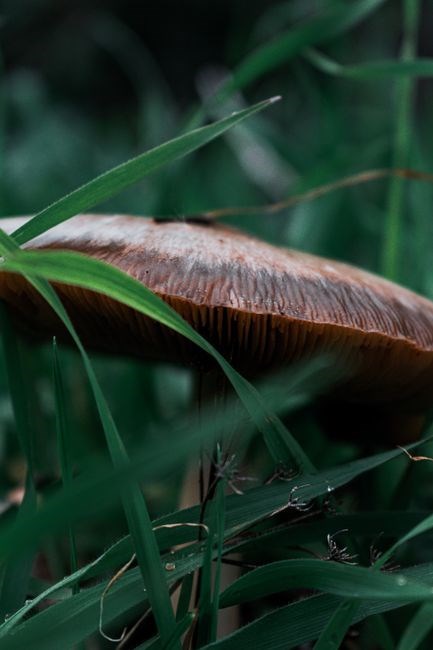
Download the PDF from the Quebec Mycological Centre’s official site, choosing PDF or EPUB. Open with a reader that supports annotations. Use the built‑in search for species names, and bookmark sections. Sync with mobile apps to overlay maps, then share notes with the community. Use search for species
Official Download Links and Formats
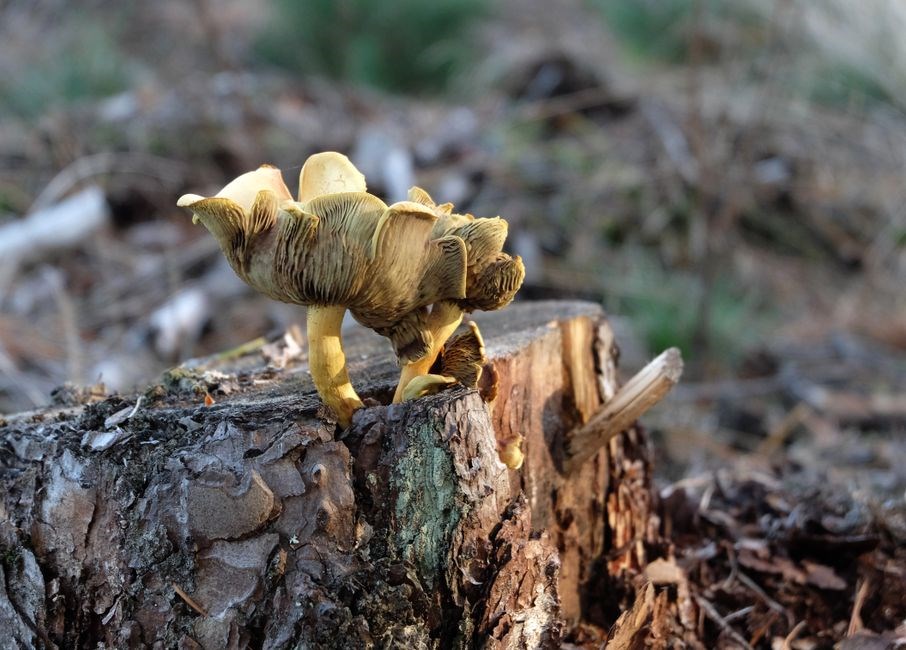
For reliable access to the Quebec mushroom identification guide, visit the official Mycological Centre portal. The primary PDF is hosted at https://www.mycologyquebec.ca/downloads/guide.pdf, which offers a 12‑page, 1.2 MB file optimized for desktop and mobile readers. A compressed EPUB version is also available at https://www.mycologyquebec.ca/downloads/guide.epub, ideal for e‑readers and tablets. Both formats include searchable text, embedded high‑resolution images, and interactive tables of contents. The PDF supports annotations in most PDF readers, while the EPUB allows highlighting and note‑taking directly within the document. All links are secured with HTTPS and are updated quarterly to reflect new taxonomic revisions and field observations. To ensure the latest version, check the “Last Modified” date at the bottom of the download page. If you encounter a broken link, contact the centre’s support team via the “Help” link on the homepage, and they will provide a direct download or an alternative mirror. All formats are freely available to registered members, and non‑members can request temporary access by filling out the online form. By using these official channels, you guarantee that you’re working with accurate, peer‑reviewed information, reducing the risk of misidentification and ensuring compliance with provincial regulations. Download links are refreshed monthly to incorporate the latest taxonomic updates, ensuring users daily consult the most current data and receive alerts.
Integrating PDFs with Mobile Field Apps
Field mycologists in Quebec can boost their productivity by linking the official PDF guide from the Quebec Mycological Centre with popular mobile identification apps. The guide, updated after the recent rainy summer that encouraged a surge of rare and common mushrooms such as chanterelles, is available in a compact 1.2 MB PDF that works seamlessly on iOS and Android devices. To begin, download the PDF from the centre’s website and store it in a cloud‑synced folder (e.g., iCloud, Google Drive, or OneDrive). Most field apps, including iNaturalist, Mushroom Observer, and the dedicated “MycoQuest” app, allow users to import external documents as reference material. quick tip.!! For GPS‑enabled logging, enable the app’s “Location Tag” option; the app will automatically attach latitude, longitude, and timestamp to any field note you create while the PDF is open. Some apps, such as “FieldGuide Pro,” let you overlay the PDF page on a live camera view, providing a split‑screen comparison between the photographed specimen and the illustrated description. To keep the PDF up‑to‑date, enable automatic sync; when the Mycological Centre releases a new edition, the cloud folder refreshes and the app will prompt you to reload the document. Finally, use the built‑in annotation tools to highlight distinguishing features, add personal observations, or draw arrows on macro‑photos. These annotations are saved locally and can be exported as a PDF supplement for later sharing with the mycological community.
Community Annotations and Updates
The Quebec Mycological Centre encourages collaborative knowledge by allowing users to annotate the official PDF guide with field notes, photographs, and taxonomic corrections. After the recent rainy summer, when rare species appeared alongside common chanterelles, many foragers uploaded high‑resolution images to the centre’s online forum. The PDF, which is 1.2 MB and contains detailed macro descriptions, is linked to a cloud platform where community members can add comments directly to specific pages. Each annotation is timestamped and tagged with GPS coordinates, making it easy to cross‑reference observations with the seasonal distribution maps included in the guide. To maintain scientific accuracy, the centre’s editorial board reviews all user contributions before publishing a quarterly update. Users can also vote on the usefulness of new annotations, ensuring that the most reliable information rises to the top. The updated PDF, released every March, incorporates the latest community insights, such as newly identified look‑alike species and updated safety warnings. In addition, the centre hosts quarterly webinars where experts review the latest annotations and discuss emerging species. Members can submit their own case studies, which are then peer‑reviewed and incorporated into the next PDF release. This continuous feedback loop ensures that the guide remains a living document, reflecting real‑time discoveries across Quebec’s diverse ecosystems. All contributions archived in a public repository! Future updates will add maps, a glossary of regional names, and a section on sustainable harvesting to promote responsible foraging across Quebec’s eco forests.